In 1967, Thomas A. Harris published a book entitled, I’m OK, You’re OK. The book focused on interpersonal relationships, healthy communication and understanding how individuals interact with one another. Harris did not focus on religious beliefs, but the title of his book has certainly been taken and used frequently in that arena for over 50 years.
When a difference in beliefs and/or teachings about the Bible has arisen, some have tried to argue that such differences are immaterial and want to conclude, “I’m ok, you’re ok.” But, when it comes to the truths of the Word of God, can we take such an approach? Is it permissible to God (to use another phrase) to “agree to disagree”? Let’s consider just a few examples.
If two religious groups teach two different paths to salvation from sin, is one “ok” and the other also “ok”? God clearly teaches us to not add to His Word, nor take away from it (Rev. 22:18-19). We are warned about “anyone” teaching “any other gospel” than what is plainly found in Scripture (Gal. 1:9). We are commanded to “all speak the same thing” and to have “no divisions” among us (1 Cor. 1:10). We are cautioned against merely thinking that we are right with the Lord, when we have not actually been obeying Him (Matt. 7:21-23).
So, back to the question—If two religious groups teach two different paths to salvation from sin, is one “ok” and the other also “ok”? Let’s be more specific—if one group teaches that salvation is by faith alone but another group teaches that salvation is not by faith alone, are they both “ok”? If one group teaches that baptism is essential for salvation but another group teaches that baptism is not essential for salvation, are they both “ok”? If one group teaches that a Christian can fall away from his saved state and be lost but another group teaches that once a person is saved that he is always saved, are they both “ok”?
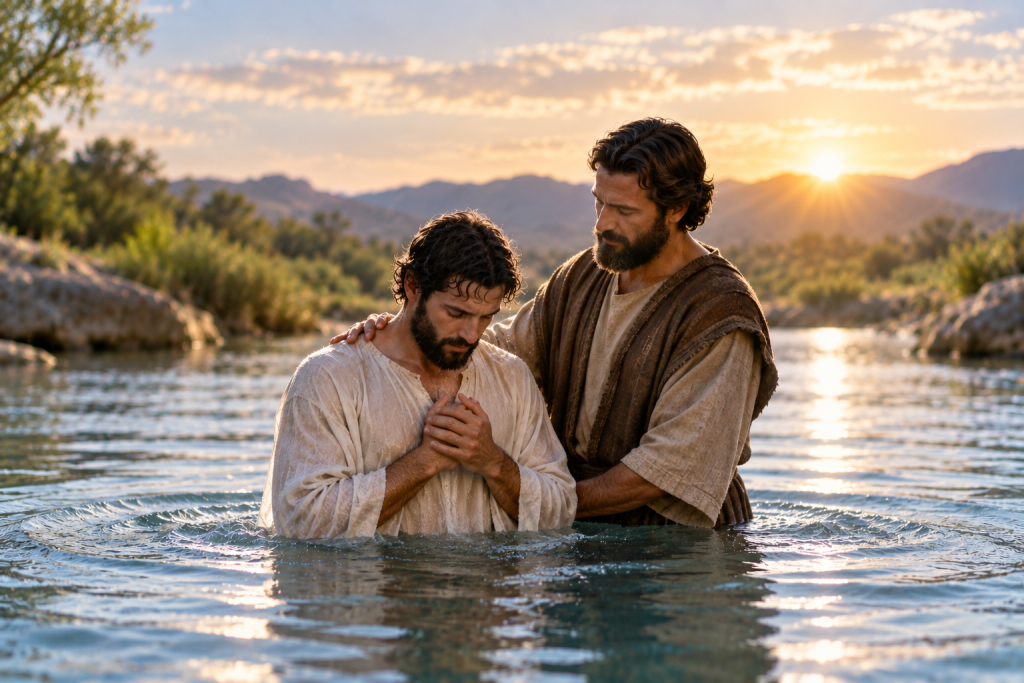
It is obvious that saying two opposite things cannot both be right or “ok.” Why would anyone “agree to disagree” when the Bible makes matters of salvation so clear? The Bible teaches that one is saved by faith (John 3:16), but it does not teach that one is saved by faith alone (John 3:36; 8:30-44; Jas. 2:14-26). The Bible teaches that baptism of a penitent believer is essential for sins to be forgiven by Christ (Mark 16:16; Acts 2:38; 22:16; 1 Pet. 3:21). The Bible teaches that once a person is saved that he can so live that he falls away from his saved state and is lost (Jas. 5:19-20; 2 Pet. 2:20-22; Gal. 5:1-4). Thank God for the clarity of His Word!
Disagreements over religious beliefs cannot be settled by “I’m ok, you’re ok.” They must be settled by Scripture!