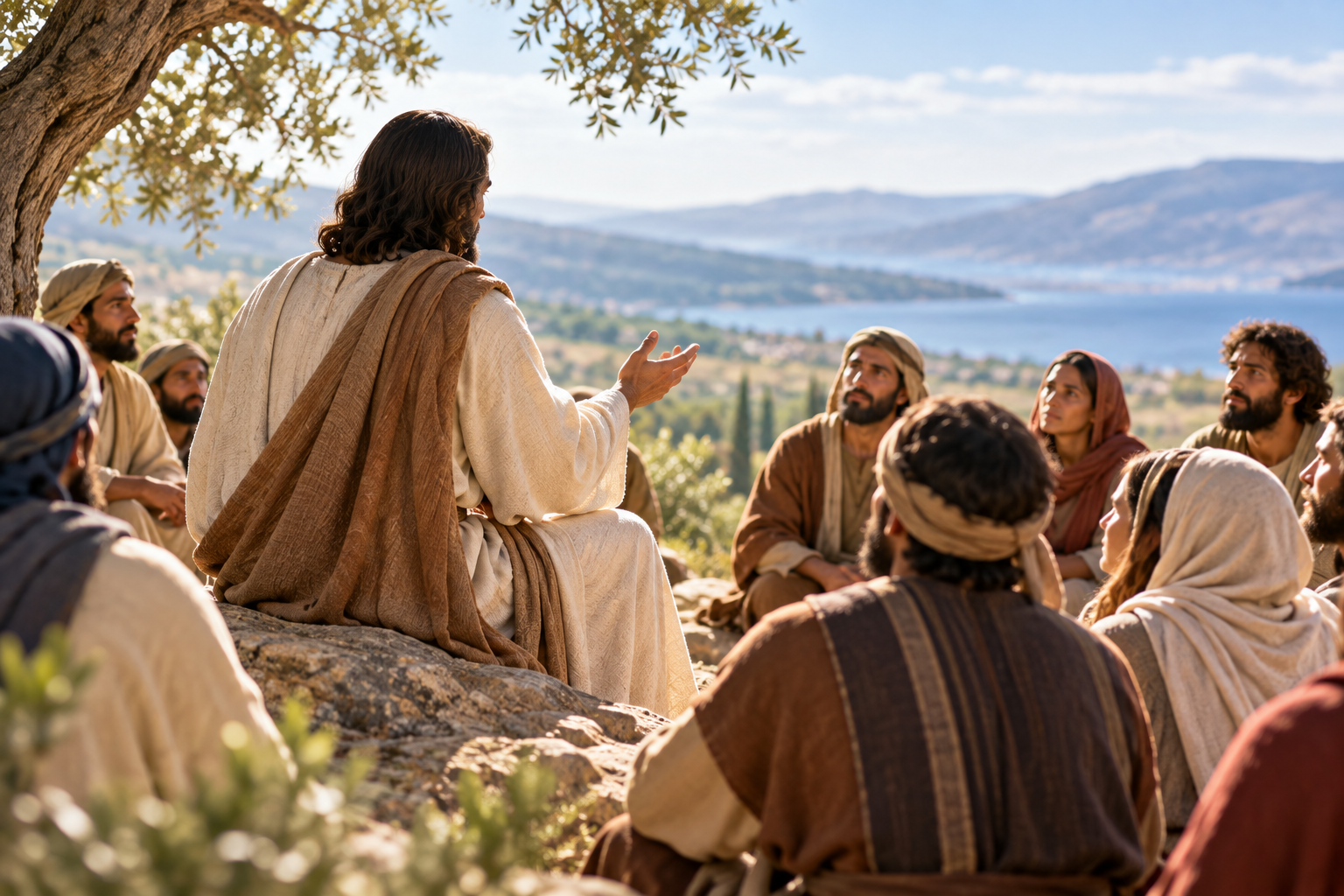
James highlighted the importance of the way teachers portray the truths of God. He said, “My brethren, let not many of you become teachers, knowing that we shall receive a stricter judgment” (Jas. 3:1). We share in the eternal destiny of those whom we teach. We bring them closer to heaven or hell in every word we speak. Jesus said, “If the blind leads the blind, both will fall into a ditch” (Matt. 15:14).
In a sense, the religious leaders of the first century knew about God and what He had said, yet their pride and preconceived ideas made it so difficult for many to find Him as “…the way, the truth and the life.” They sent officers to arrest Jesus, but they did not seize Him. Their reason was that when they heard Him, they returned empty-handed because they said they had never heard anyone speak like Him.
The response to the words of the officers gives great insight into why many failed to find the truth. “Are you also deceived? Have any of the rulers or Pharisees believed in Him?” (John 7:47-48). In their minds, truth was to be determined by what the religious leaders taught. They wanted the Jewish nation to follow what the rulers believed, taught and practiced. Isn’t this same problem part of what is found in the lives of so many today?
How did Jesus respond to this concept? “Woe to you, scribes and Pharisees, hypocrites! For you shut up the kingdom of heaven against men; for you neither go in yourselves, nor do you allow those who are entering to go in” (Matt. 23:13). Jesus was the Way, He was the Truth, but the Pharisees did all they could to block the door of entrance into His kingdom.
To see the application of these truths, think about how so many in our day blindly follow what is taught by pastors and televangelists. To see this, look at how Jesus introduced the Lord’s Supper to mankind. Those early Christians knew that it was the central feature of their weekly assembly. When Paul was in Troas preaching in that city, they did not primarily come together to hear Him speak, but their focus of worship was the breaking of bread (Acts 20:7). Religious leaders have minimized the importance of communion, blocking the doors of worship to their followers.
The door of truth about baptism is also blocked by religious leaders who blindly minimize what the Bible teaches about baptism and salvation. It was never designed as a public demonstration of one’s faith, but blind leaders continue to teach this. It was not a ceremony, but a time when sinners called on the Lord to save them (Acts 22:16). Let me encourage every reader of these words to find truth in all matters, by honestly following the One who is the way for all men.