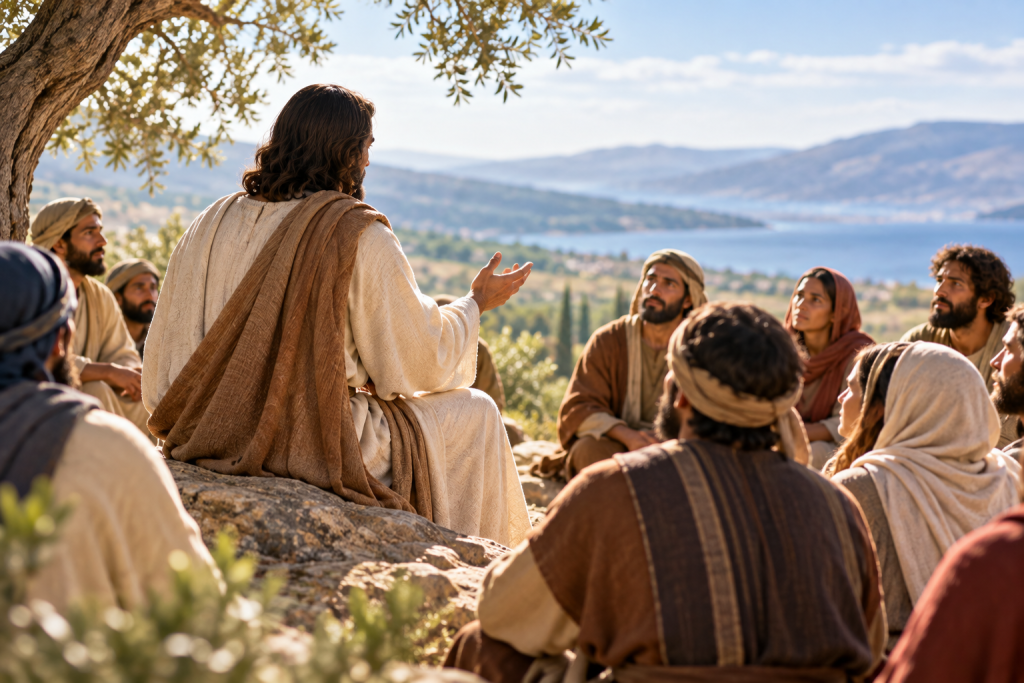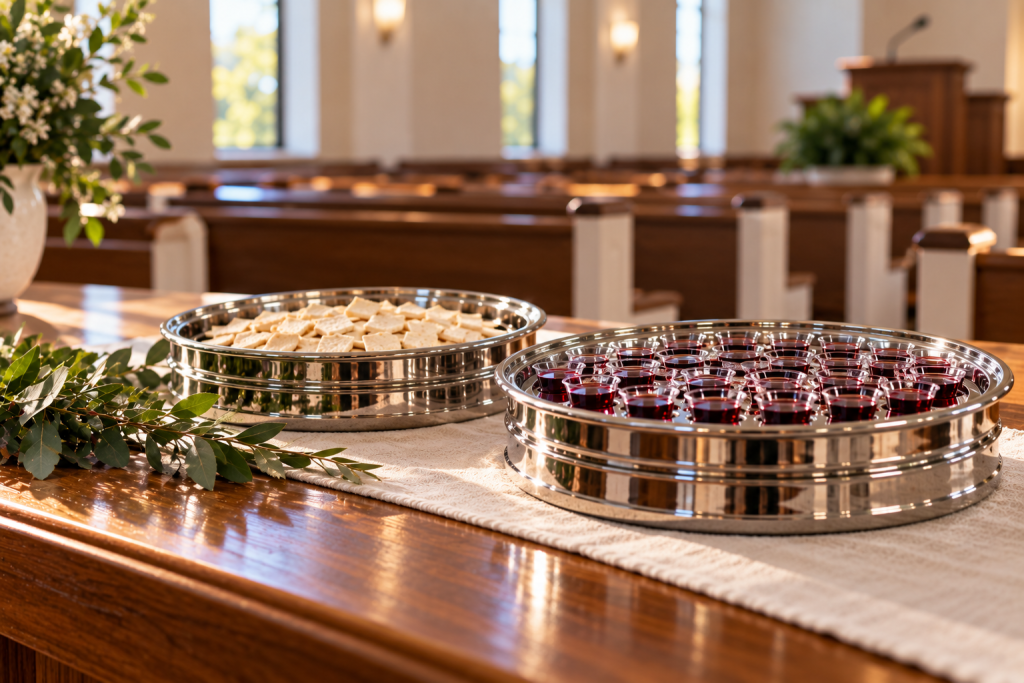
The expression “for the remission of sins” was included with the saving blood of Jesus in the upper room. As He took the cup, He said, “This is My blood of the new covenant, which is shed for many for the remission of sins.” There would be no salvation for any individual if there was not the shedding of His blood. No one can misunderstand the meaning of the expression “for the remission of sins.”
If this expression indicates an action by Jesus to bring about salvation, consider the baptism of John the Baptist. He was a messenger sent by God to prepare the world for the coming of Jesus. He introduced an action not found in the Old Testament. He immersed people in water. His impact was so immense. “Then Jerusalem, all Judea, and all the region around the Jordan went out to him and were baptized by him in the Jordan, confessing their sins” (Matt. 3:5-6). Not everyone was baptized by John, for the next verse shows that the leaders of the Pharisees and Sadducees came to see what was happening and turned away when John rebuked them. If you know anything about these leaders, you know there was no way they would confess their sins and be baptized.
Why did John baptize people? What was the purpose of John’s baptism? God reveals to us the purpose of this baptism. “John came in the wilderness and preaching a baptism of repentance for the remission of sins” (Mark 1:4). Jesus shed His blood in order to bring about the “remission of sins” and John was baptizing the multitudes in order to bring about the “remission of sins.” It is described as a baptism of repentance because John not only taught that those with sins had to be baptized, but he also taught the necessity of repentance (Matt. 3:2). Those who repented were then baptized, but those leaders refused to repent.
How serious was it to reject the baptism of John in order to bring about salvation? Let God give us the answer. “And when all the people heard him, even the tax collectors justified God, having been baptized with the baptism of John. But the Pharisees and lawyers rejected the will of God for themselves, not having been baptized by him” (Luke 7:29-30). The teaching of baptism for the remission of sins was a message sent to John from heaven (cf. Matt. 21:25). To reject it was to reject the will of God. To refuse baptism was to leave with the burden and consequences of sin still upon them.
Why did John refuse to baptize Jesus? It was because both John and Jesus knew the purpose of baptism. John was the sinner, but Jesus had no sins.
Read Acts 2:38. How serious would it be if you refuse to repent and be baptized for the remission of your sins?