Faith is the foundation of the Christian life—but faith alone is not enough. Peter instructs believers to “add to your faith virtue” (2 Pet. 1:5). This word “virtue” carries the idea of moral excellence, strength of character and the courage to do what is right. If faith is our conviction in God, then moral courage is the determination to act on that conviction.
The word for “virtue” refers to excellence—something that stands out as worthy and admirable. Essentially, it is a settled resolve to do what is right in the sight of God, regardless of the cost or consequence. It is not merely knowing what is right, but choosing to pursue it with strength and consistency.
This quality must be added to faith because faith without action quickly becomes weak and ineffective. James affirms that “faith without works is dead” (Jas. 2:26). When faith is joined with moral courage, it becomes active and visible. A person who is determined to do what is right will naturally begin to live out their faith in daily life.
Moral courage is essential for spiritual growth. Peter emphasizes diligence—earnest effort—in developing Christ-like character (2 Pet. 1:5, 10). We cannot grow spiritually while remaining comfortable with mediocrity. We must pursue holiness (Heb. 12:14) and completeness in Christ (Matt. 5:48).
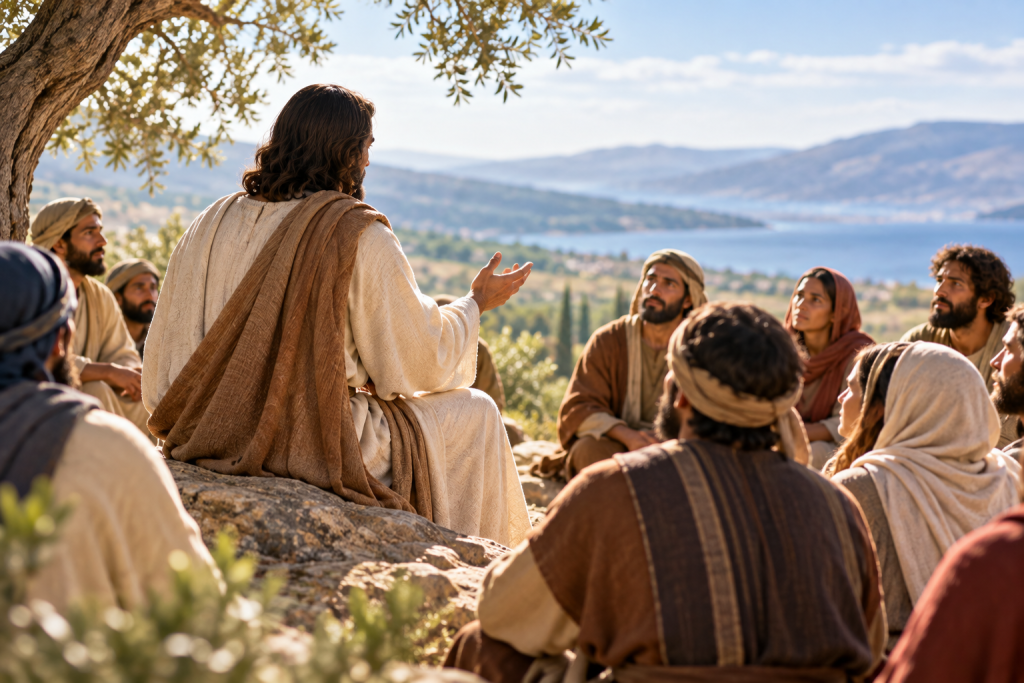
Following Christ demands this kind of courage. Jesus calls His disciples to live differently from the world—to love enemies (Matt. 5:44), resist temptation (Jas. 4:7) and remain faithful under pressure (Rev. 2:10). That kind of life cannot be lived without a strong determination to do what is right.
So how do we develop moral courage? It begins with the Word of God. Scripture is designed to equip us for every good work (2 Tim. 3:16-17). As we read, study and meditate on God’s Word, our understanding of what is right becomes clearer, and our resolve to pursue it becomes stronger. Like the blessed man in Psalm 1, we grow into spiritually strong and fruitful people when we delight in God’s law and meditate on it regularly.
Moral courage also develops through our mindset. The apostle Paul provides a powerful example in Philippians 3:12-14, where he explains how he refused to be satisfied with where he was spiritually. He forgot past failures and successes, pressed forward with purpose and kept his focus on the eternal prize. That same mindset—i.e., never settling but always striving—builds moral strength.
Finally, moral courage is demonstrated in both private and public life. It will show in our personal devotional time with God and in our visible service among others. When we are committed to doing what is right (consistently and without compromise), our progress will be evident (1 Tim. 4:15).